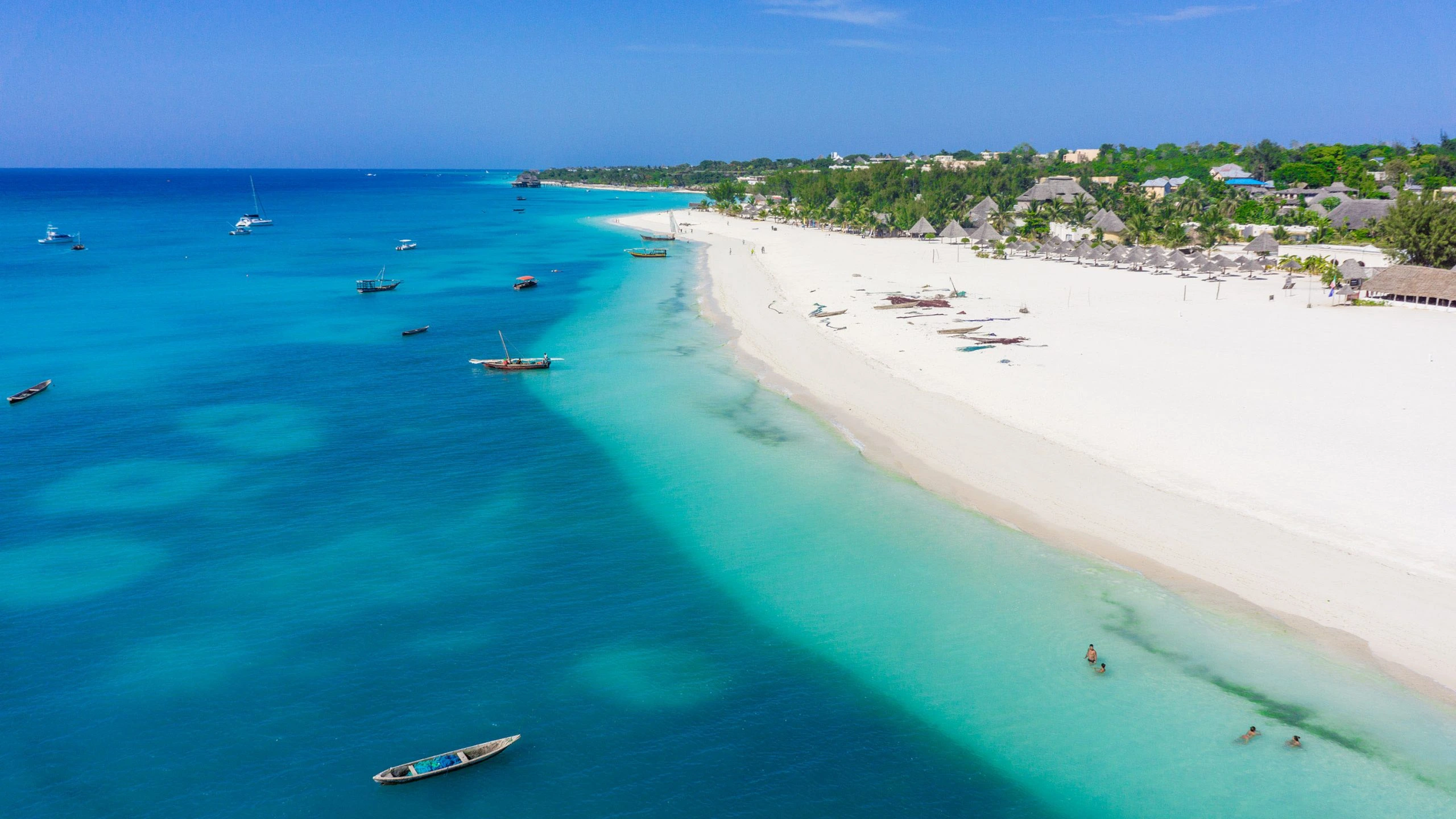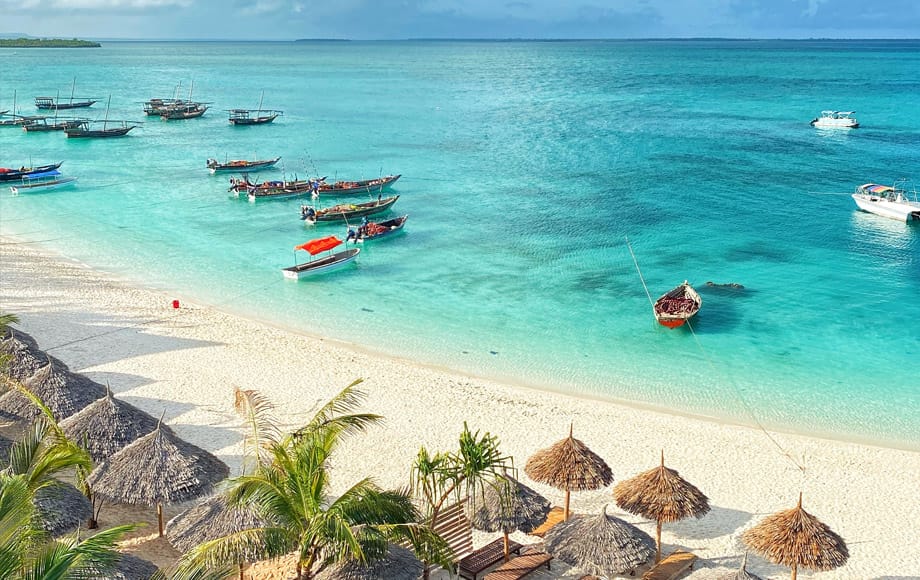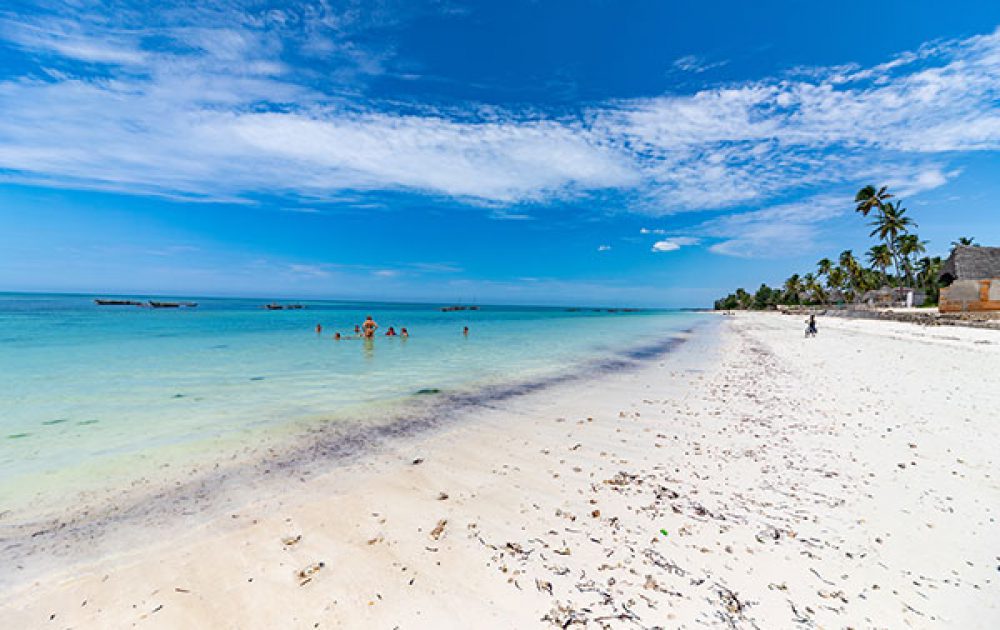
Zanzibar is a breathtaking archipelago in the Indian Ocean, just off the coast of Tanzania, renowned for its powdery white-sand beaches, turquoise waters, and rich cultural heritage. Often called the Spice Island, Zanzibar is famous for its historic spice trade, aromatic plantations, and vibrant Swahili culture shaped by African, Arab, Indian, and European influences.
The position of Zanzibar, which is washed by the warm waters of the Indian Ocean, made this archipelago a favorable base for traders voyaging between Africa, Arabia, and India. These three cultures shaped Zanzibar’s history, traditions, food and language.
The capital, Zanzibar City, is home to the UNESCO World Heritage Site, Stone Town a fascinating maze of narrow alleys, carved wooden doors, bustling markets, and historical landmarks that reflect centuries of trade and cultural exchange.
Zanzibar offers a wide range of experiences for travelers. Visitors can explore the winding streets of Stone Town, visit spice farms to see and taste cloves, vanilla, and nutmeg, or unwind on idyllic beaches such as Nungwi Beach and Kendwa Beach, known for their clear waters and stunning sunsets. Snorkeling and diving reveal colorful coral reefs teeming with marine life, while a trip to Prison Island offers a chance to see giant tortoises and enjoy scenic ocean views. In the evenings, Forodhani Gardens comes alive with a lively street food market.
Zanzibar consists mainly of Unguja (the main island) and Pemba Island, and its population continues to grow beyond early historical estimates. Swahili is the primary language, with English widely spoken, and the culture is predominantly Islamic, which influences daily life and traditions.