Ngorongoro Crater, the world’s largest intact volcanic caldera, is one of Tanzania’s most spectacular safari destinations, renowned for exceptional Big Five wildlife viewing and breathtaking natural scenery. It is believed that Ngorongoro was once a towering volcanic mountain comparable in height to Mount Kilimanjaro, which later collapsed after a massive eruption, forming the vast caldera seen today. The crater is approximately 600 meters deep and about 20 km wide, creating a unique enclosed ecosystem rich in wildlife.
Ngorongoro Crater, often called the “Garden of Eden” and a UNESCO World Heritage Site since 1979, is the world’s largest intact volcanic caldera and one of Africa’s Seven Natural Wonders, where rich wildlife including the Big Five thrives alongside the Maasai in a unique multiple land-use system, and within the Ngorongoro Conservation Area also lies Olduvai Gorge an important archaeological site where early human remains were discovered making it one of the most visited and iconic destinations in the world.
Things to see in Ngorongoro
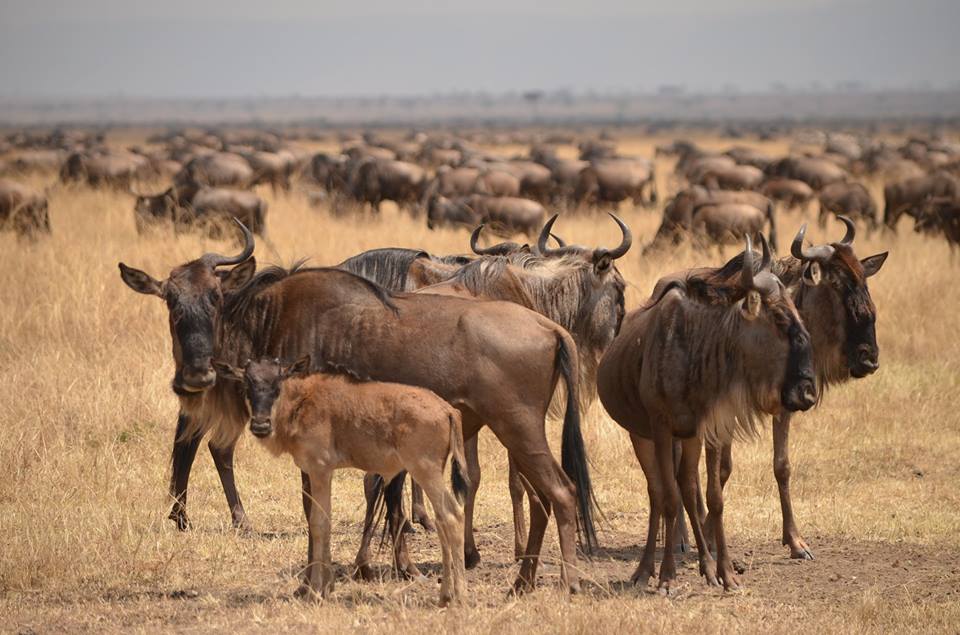
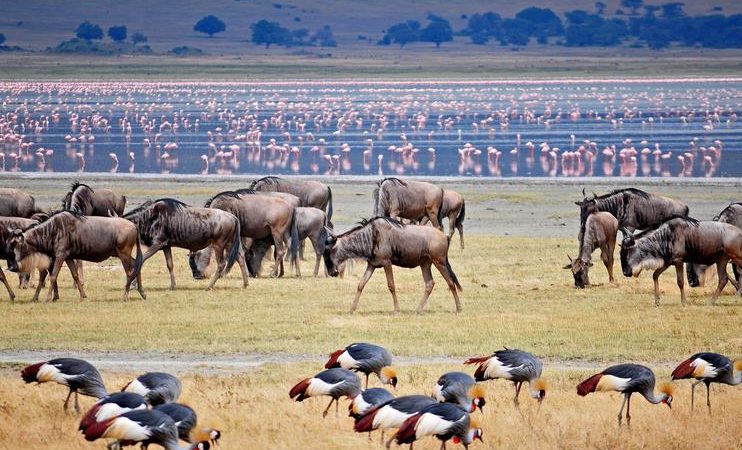
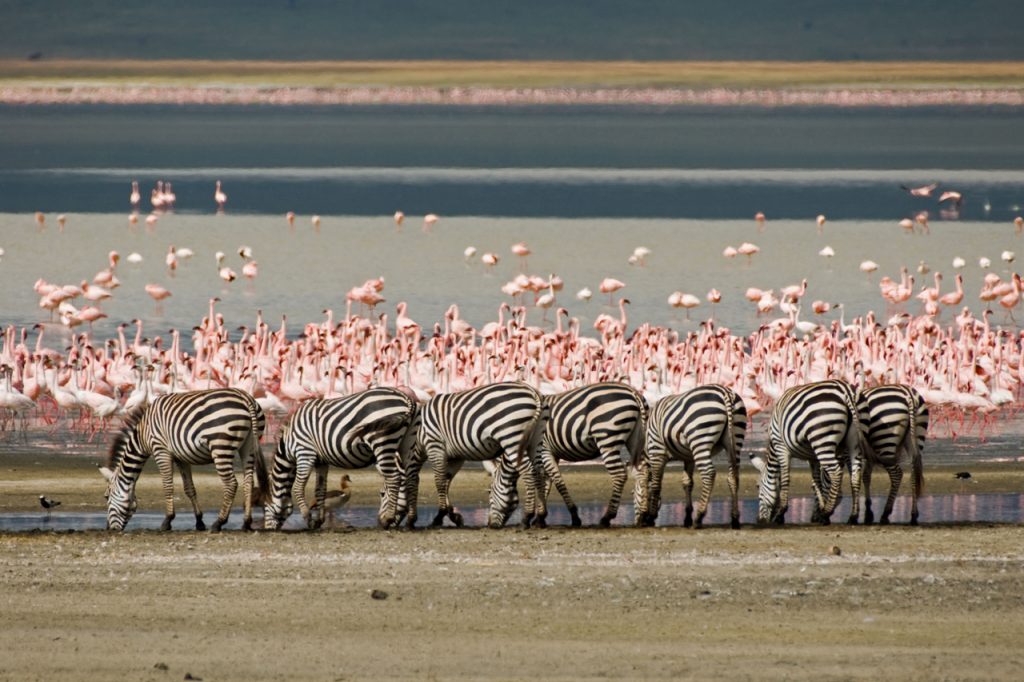
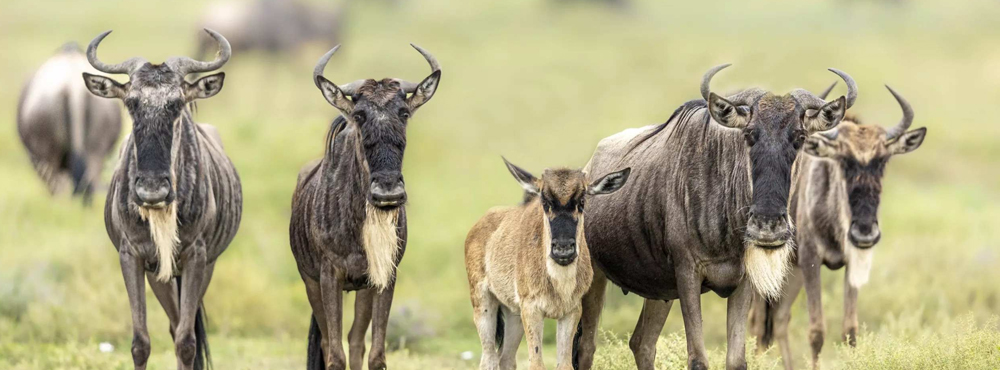
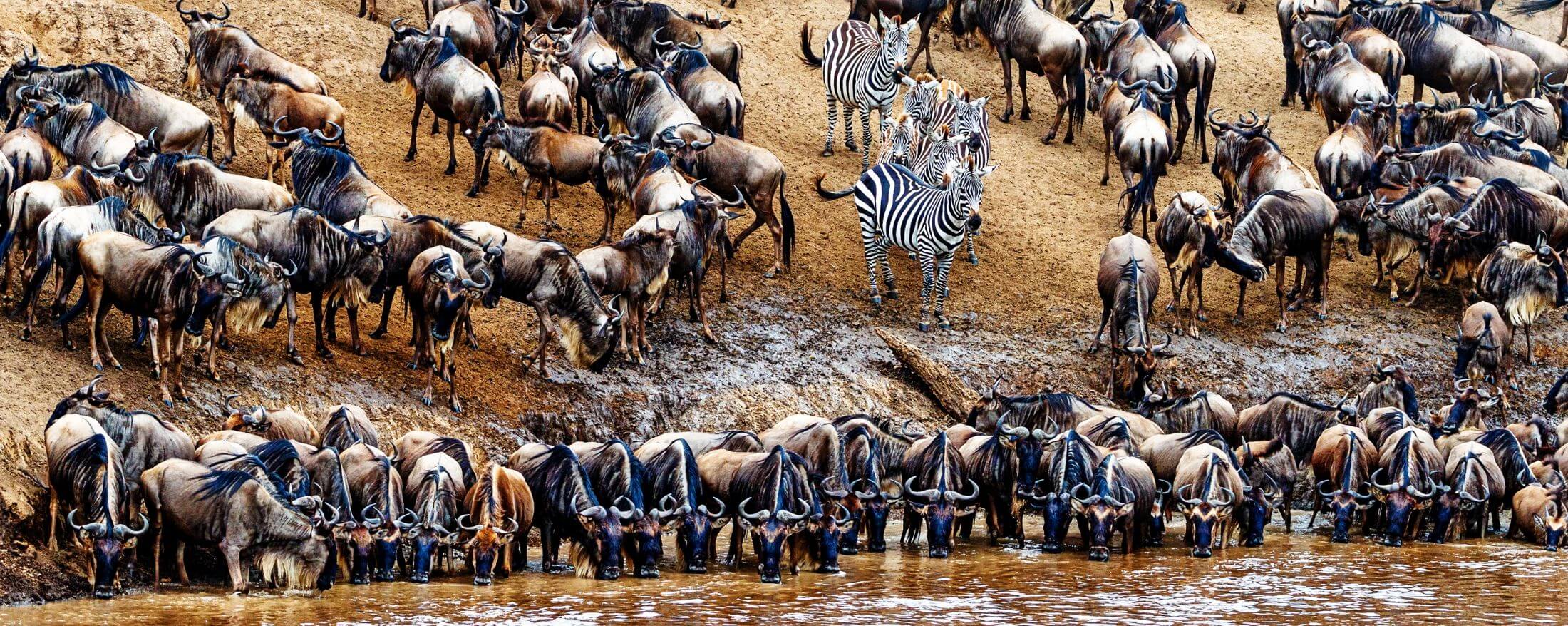
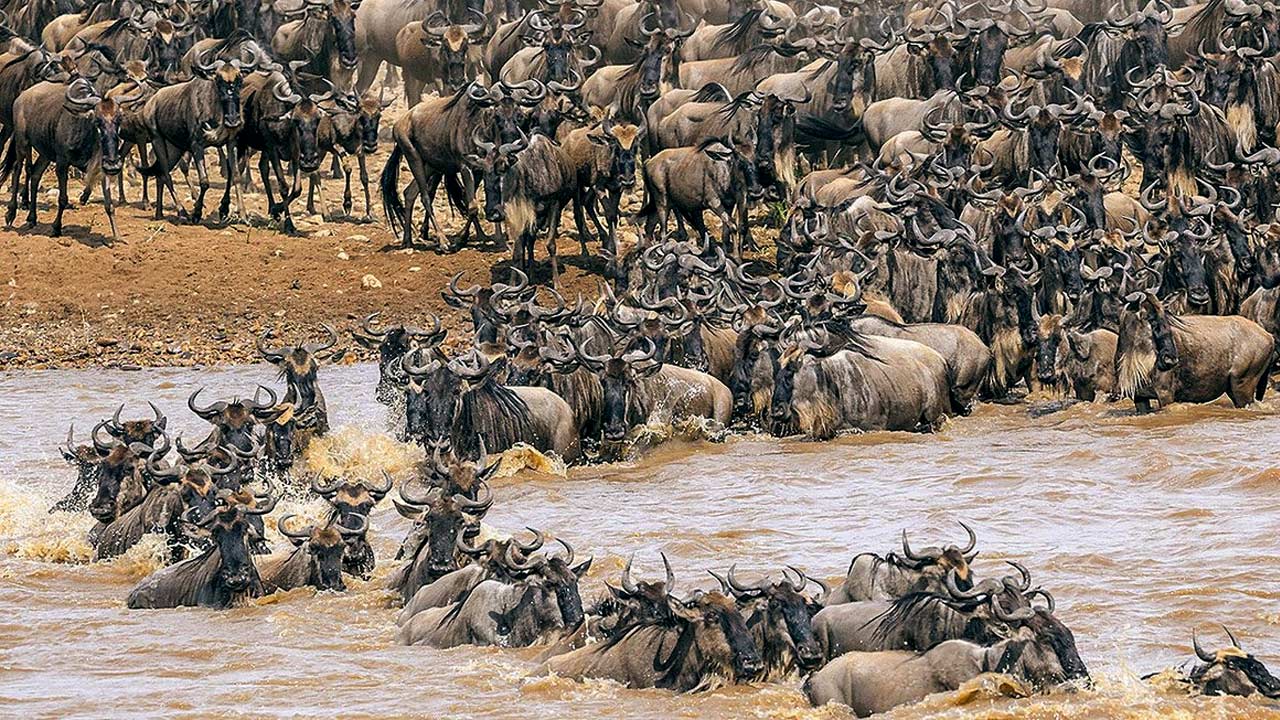
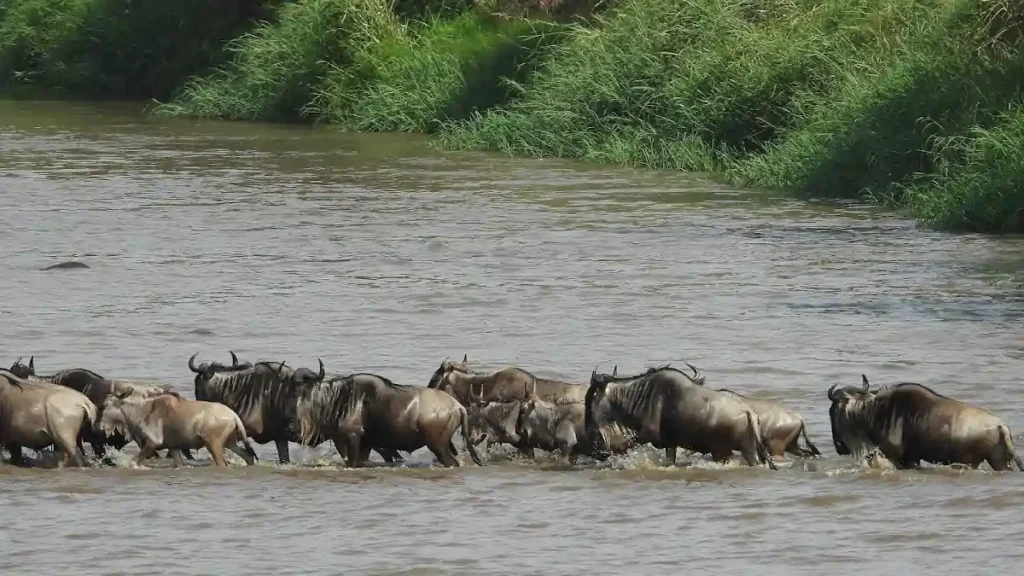
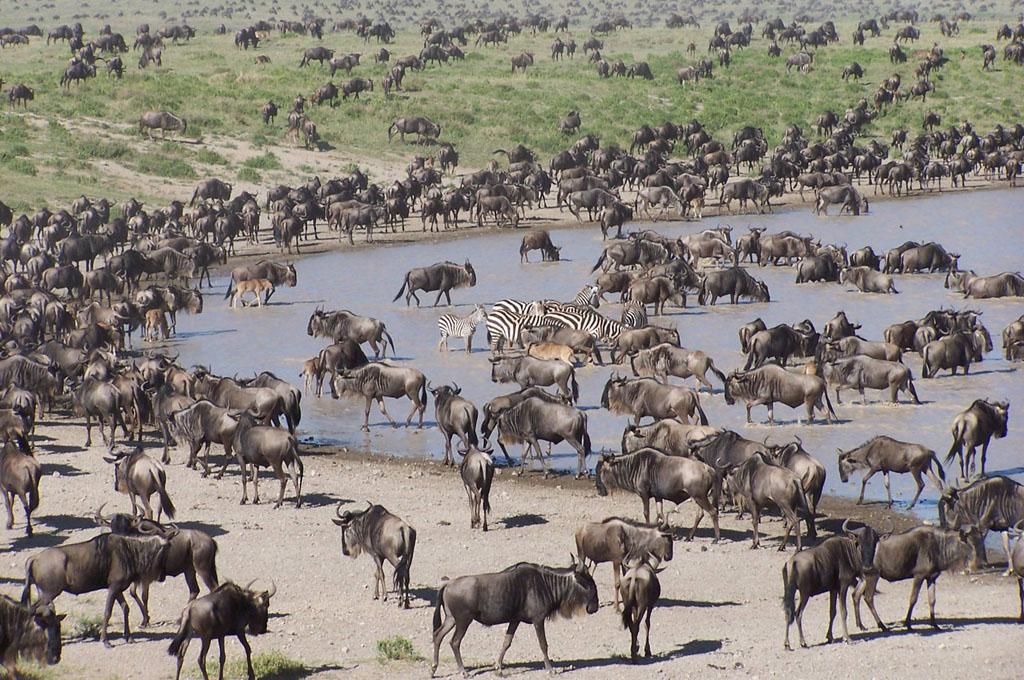
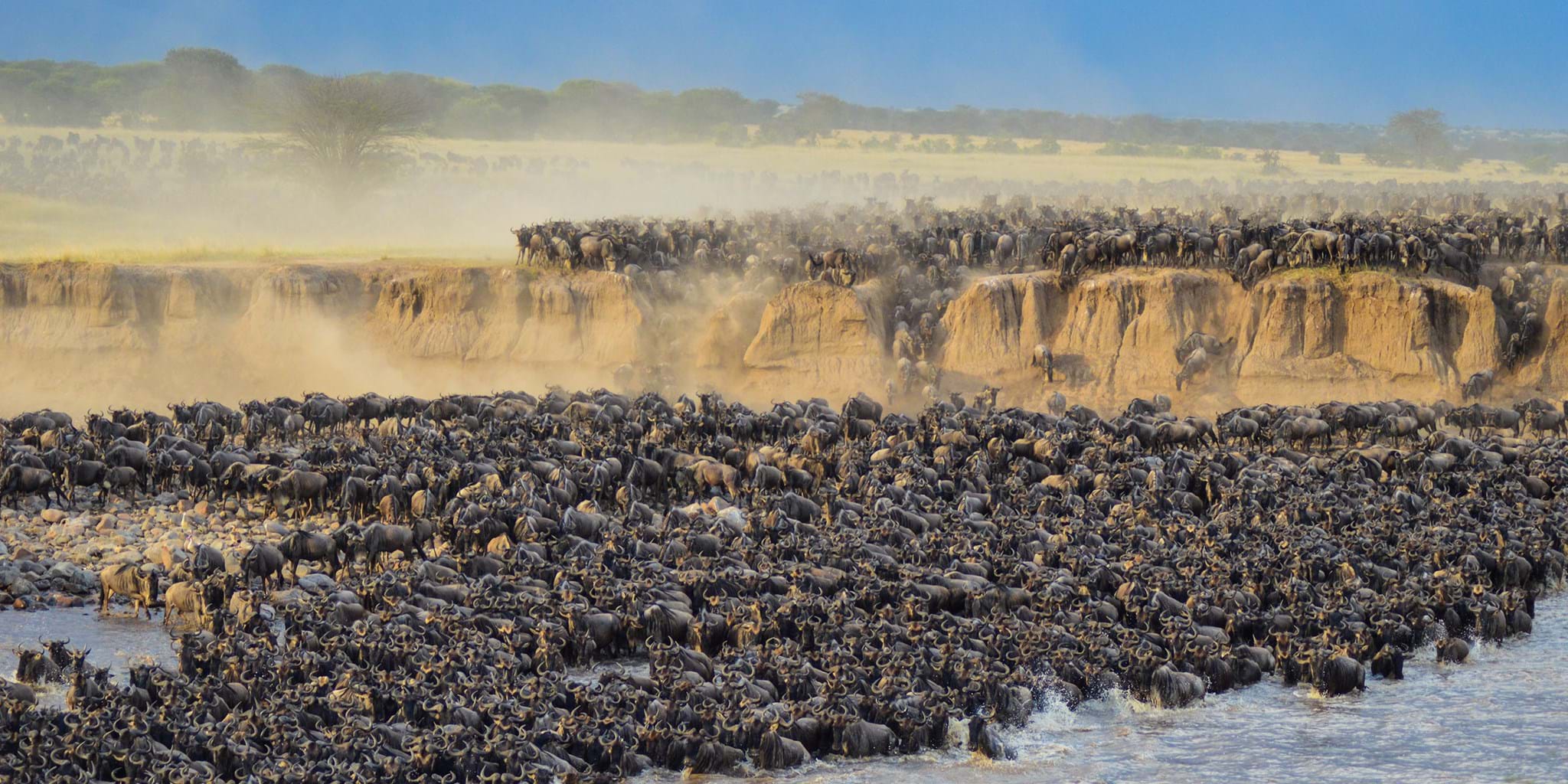
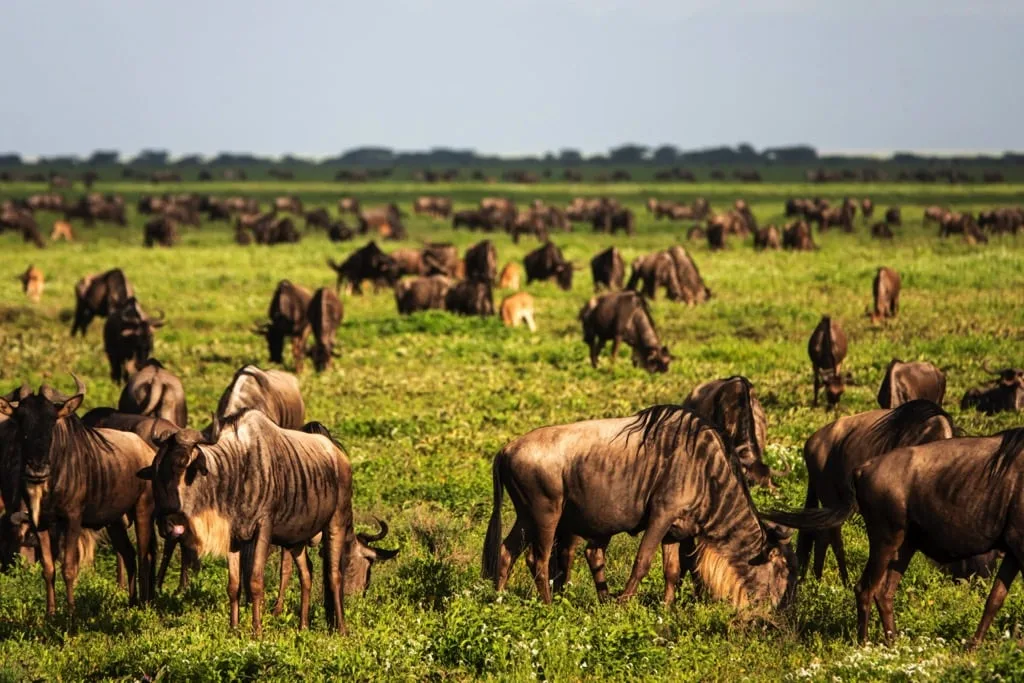
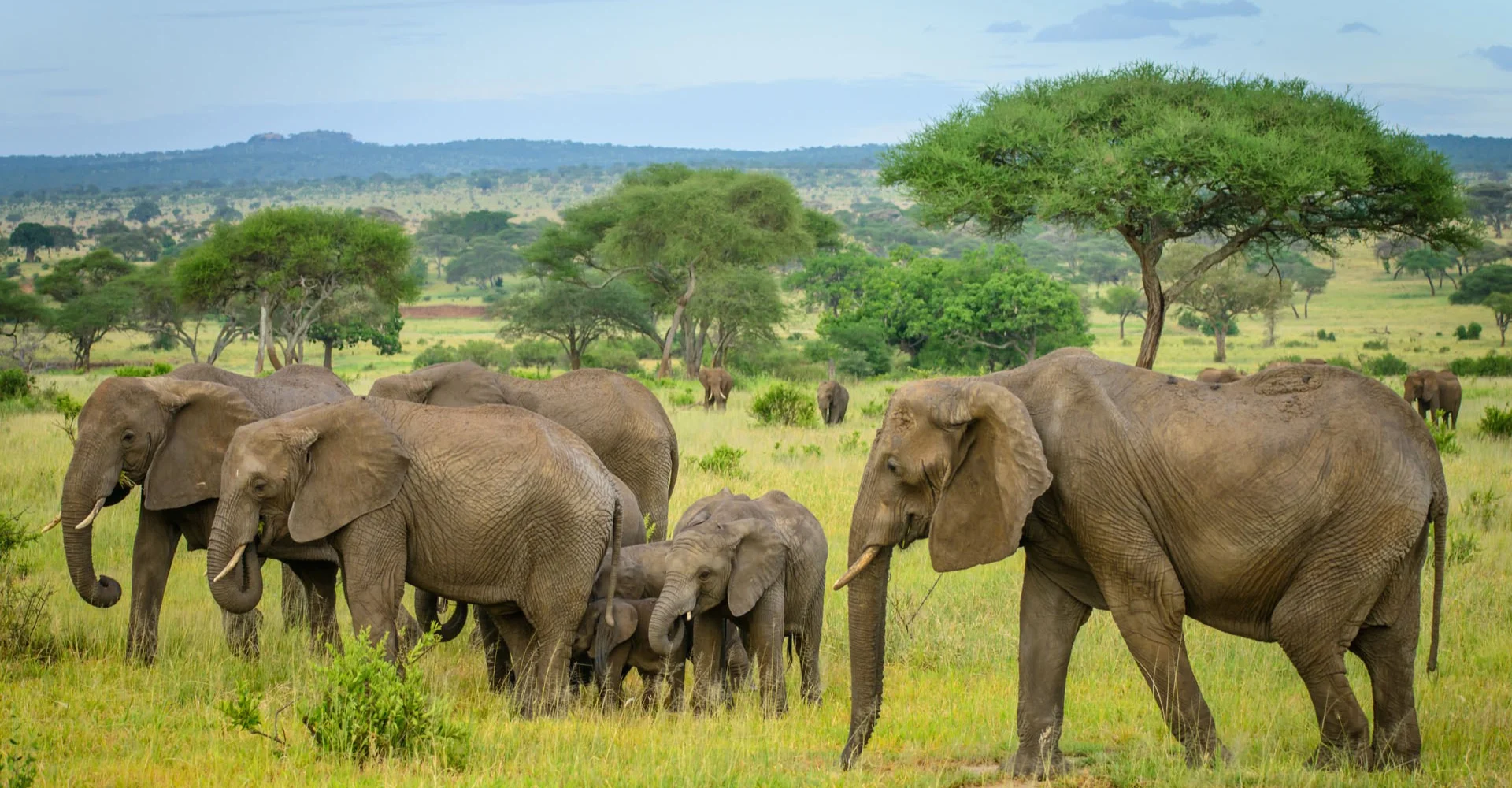
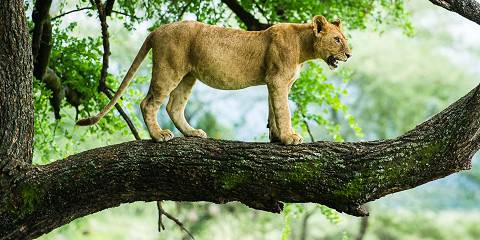
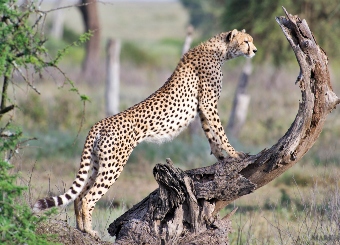
Wildlife of Ngorongoro Crater; The Ngorongoro Crater is the best place to spot the big five, the elephant, buffalos, lions, leopard and if you are lucky, you can spot the rare black. The crater is also home to other wildlife like wildebeest, warthogs, waterbucks, impala, zebras and hyena, gazelles, cheetah, serval cats, sivets and jackals.
Plants of Ngorongoro Crater; Natural forests in the crater ensures a sufficient number of plants and flowers within the area. The scenic forest in the crater consists of lush vegetation, desert plants, scrub heath, peacock flowers, yellow wood, and sweet olive. Other plants include acacia, yellow fever trees, Africana trees, zebrawood, and pillar wood.
Olduvai Gorge Museum; The Great paleoanthropological site, commonly referred to as the Cradle of Mankind and located between the Serengeti National Park and the Ngorongoro Crater, is one of the most significant archaeological sites on Earth. Oldupai, a Maasai term for a local wild sisal plant, is misspelled as Olduvai.
Empakai and Olmoti Crater; Empakai crater contains forests and a shallow lake, the scenery is spectacular everywhere, you can look out to the dramatic cone of Oldonyo Lengai, the Great Rift Valley and Lake Natron.
The Shifting Sands; This amazing black dune, which is made of Oldonyo Lengai volcanic ash, is being blown slowly westward across the plains at a speed of roughly 17 meters per year. It is located to the north of Olduvai Gorge and is approximately nine meters high and 100 meters long.
Best Time to Visit Ngorongoro Crater
Ngorongoro Crater is best visited during the dry season, from June to October, when wildlife viewing is at its peak and animals are easier to spot around water sources. The wet season November to May is also beautiful, with lush green scenery, fewer tourists, and excellent birdwatching, though some roads may be slippery due to rain.